
Autism eLibrary
Online autism training for NDIS disability support workers and carers.
- Disability Support

Course overview
The Autism eLibrary is built around the questions that come up every shift in disability support work. What does autism actually mean? Why does this person communicate differently? How do I support someone through sensory overload? What does good practice look like when needs are complex?
The first four courses introduce core concepts, terminology, and common traits, giving disability support workers a contemporary overview of autism and neurodiversity. They answer the "what" and the "why."
The remaining seven courses answer the "how." They cover practical support across daily living, executive function, communication, social skills, sensory needs, and complex needs. Every course is neurodiversity-affirming, culturally sensitive, trauma-informed, and inclusive.
A certificate of completion is issued at the end of each course.
What you'll learn
Across the Autism eLibrary you will:
- Understand current terminology and the neurodiversity paradigm
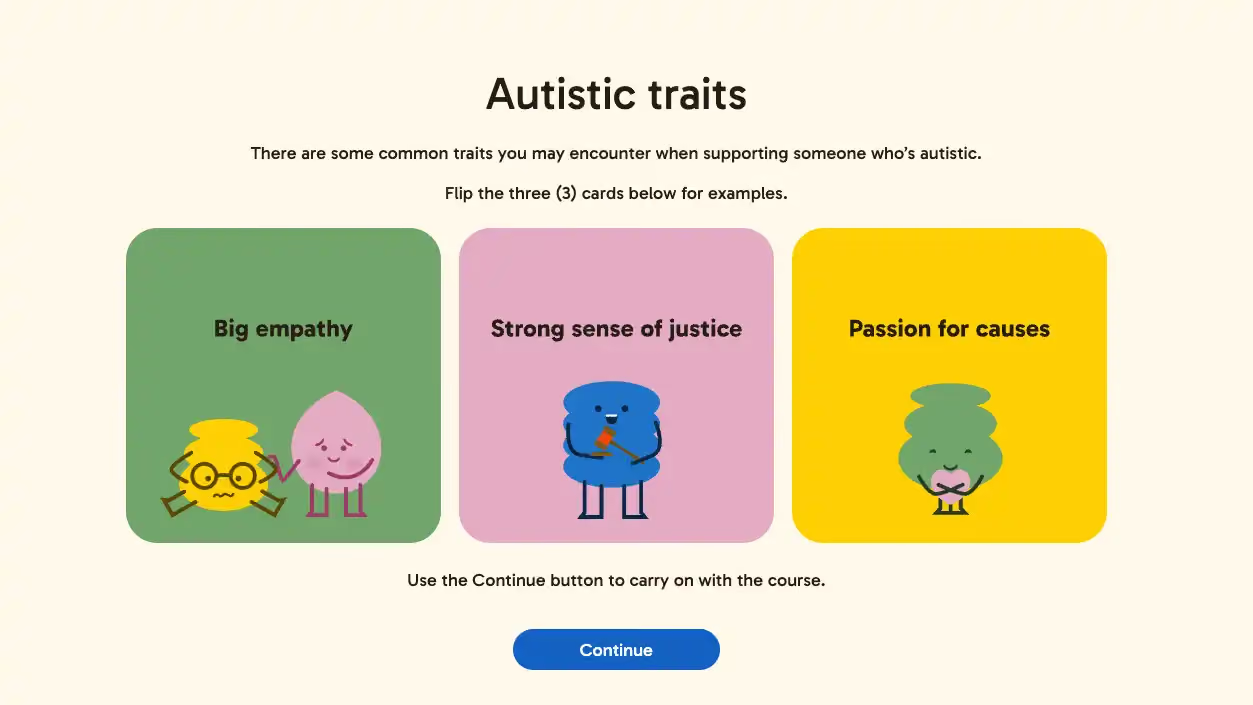
- Recognise common traits associated with autism and how they show up in support
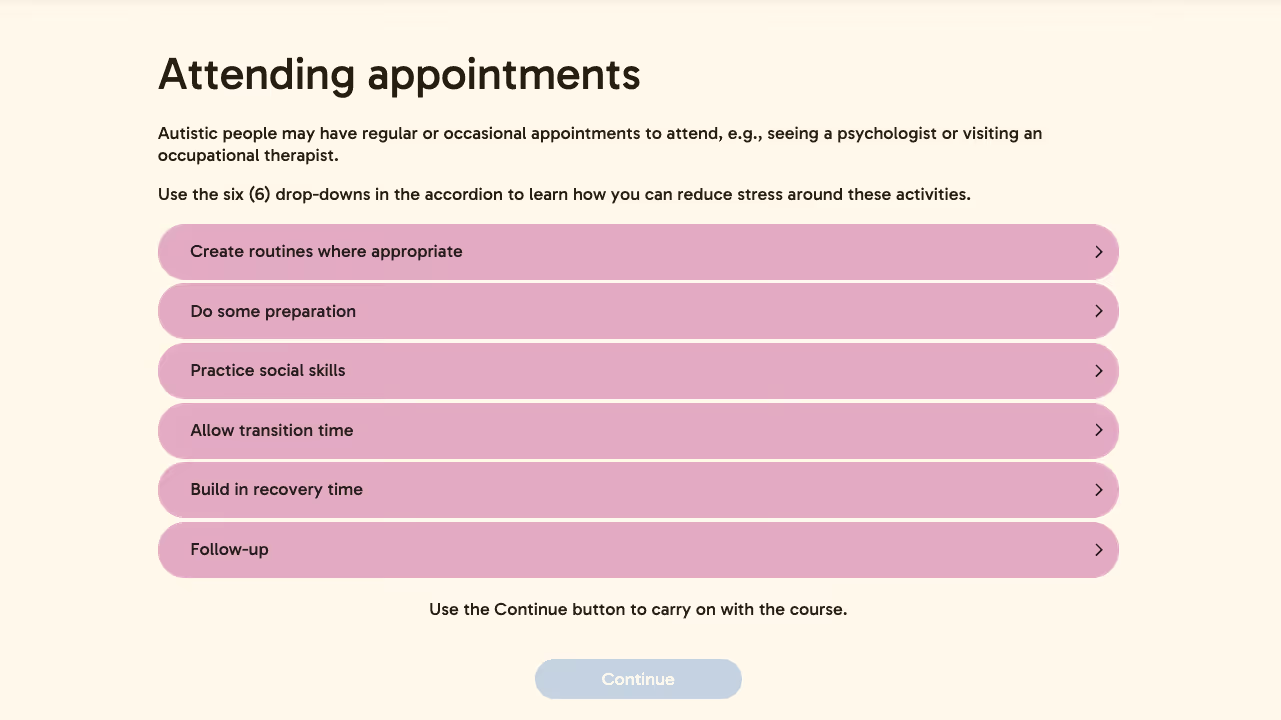
- Identify common challenges and the supports that help
- Read sensory profiles and adjust environments to match
- Provide practical support with daily living skills
- Support executive function in a person-centred way
- Communicate inclusively, including with people who use AAC
- Support social interaction without forcing neurotypical norms
- Recognise the causes, states, and signs of emotional dysregulation
Top Courses
in this Library
More information below.

Course List
The Autism eLibrary includes 11 courses across two streams.
Stream 1 - Autism Basics (the "what" and "why")
- Autism Basics: Introduction
- Autism Basics: Common Traits
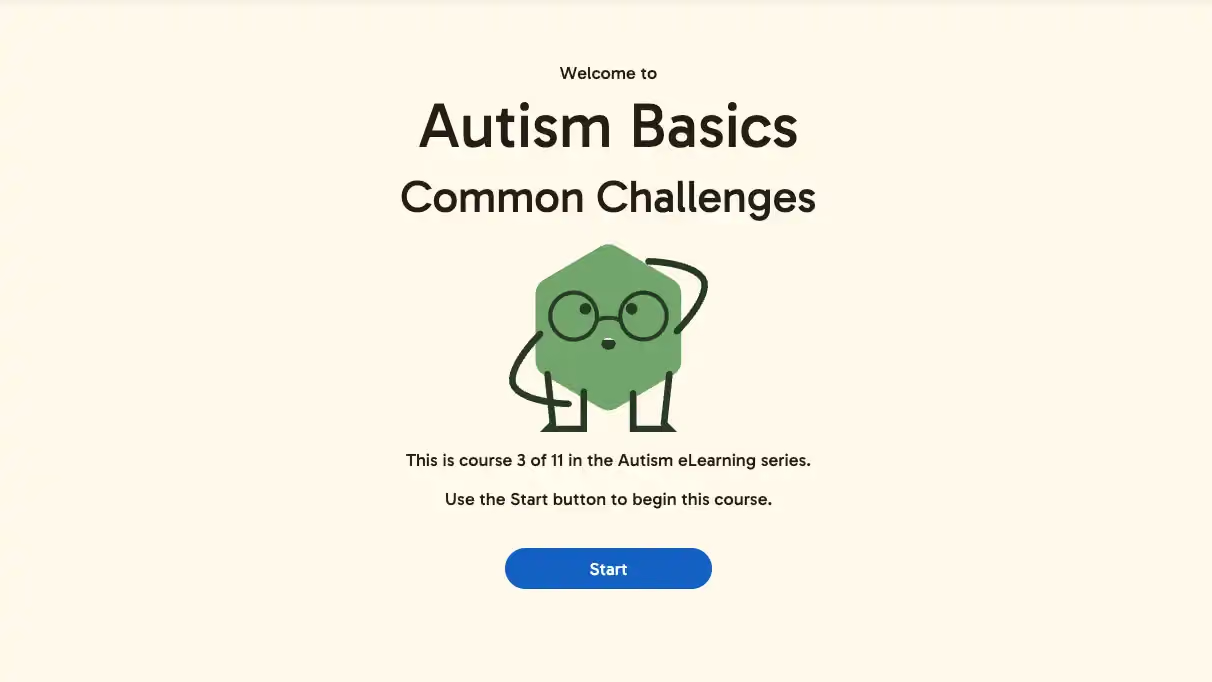
- Autism Basics: Common Challenges
- Autism Basics: Sensory Profiles
Stream 2 - Practical Autism Support (the "how")
- Practical Autism Support: Essentials
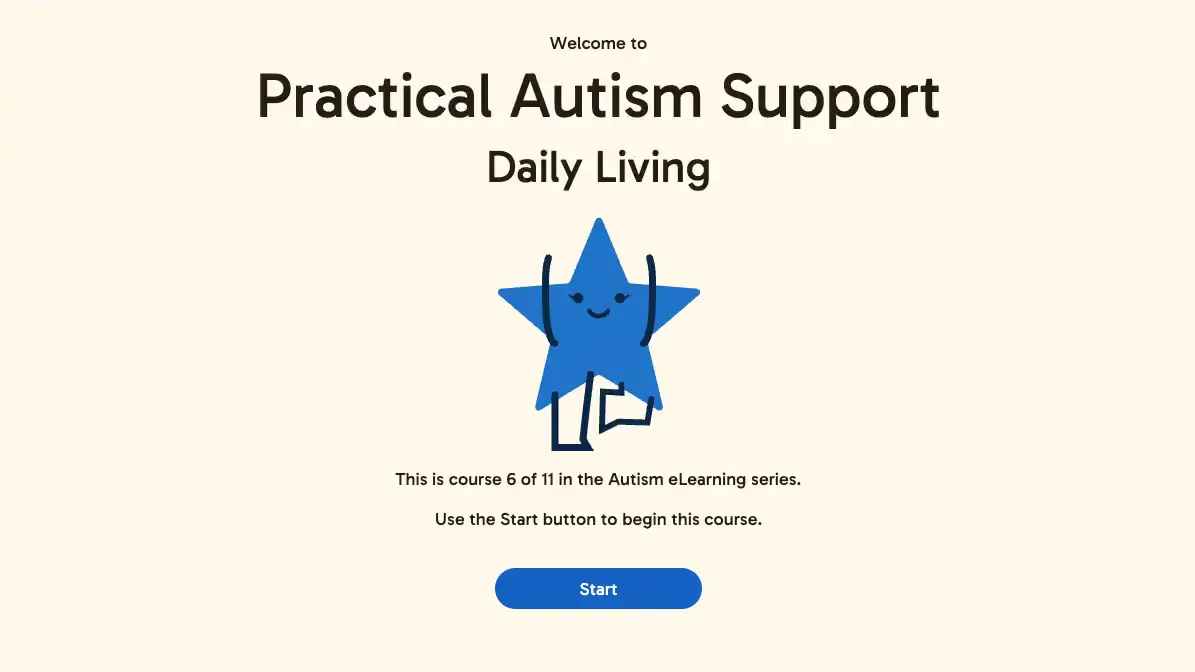
- Practical Autism Support: Daily Living
- Practical Autism Support: Executive Function
- Practical Autism Support: Communication
- Practical Autism Support: Social Skills
- Practical Autism Support: Sensory Needs
- Practical Autism Support: Complex Needs
Snapshot
Frequently asked questions
What is the Autism eLibrary? The Autism eLibrary is an online autism training library for disability support workers, carers, and NDIS providers. It includes 11 courses covering autism awareness, neurodiversity, and practical, person-centred support strategies.
What does "neurodiversity-affirming" mean? Neurodiversity-affirming support recognises that autism is a natural form of human variation, not a deficit to be fixed. It focuses on building understanding, adjusting environments, and respecting how an autistic person communicates, processes, and engages. The Autism eLibrary applies this approach across every course.
How long does the Autism eLibrary take to complete? Total runtime is around 3 hours 50 minutes across 11 self-paced courses. You can complete the library in stages and revisit any course at any time.
Do I get a certificate? Yes. A certificate of completion is issued at the end of each course.
Does the Autism eLibrary cover sensory needs and behaviours of concern? Yes. Dedicated courses cover sensory profiles and sensory support, and a complex needs course covers emotional dysregulation, behaviours of concern, and trauma-informed support.
Can I assign the Autism eLibrary to my whole team? Yes. A business licence gives admins bulk enrolment, completion reporting, and the etrainu Skills Passport, so you can roll the library out across your workforce. Chat to us about the Autism eLibrary for your team.
Can workers complete the training on their phone? Yes. Every course runs on desktop, tablet, and mobile.
How is this different from generic autism awareness training? Generic autism awareness training stops at "what is autism." The Autism eLibrary goes further by answering "how do I support this person well today”. Across daily living, communication, sensory needs, and complex needs. It is built for the realities of NDIS support work, not for a one-hour induction.
Other courses that might interest you


.avif)

.avif)
.avif)

.avif)
.avif)


.avif)











.avif)
.avif)
.avif)
.avif)

.avif)
.avif)



Start building your community with etrainu
