
NDIS Incident Reporting Training
Online NDIS Training for Disability Support Workers
- Disability Support

Course overview
Incident reporting is one of the most important duties a support worker has under the NDIS. Done well, it keeps people safe, protects the worker, and helps the organisation learn from what happened. The Handling Incidents course builds the full skill set across three modules.
The Handling Incidents course takes learners from recognising an incident through to writing a clear report and meeting NDIS notification timeframes. Practice scenarios let learners apply each part of the process to real support situations.
What you'll learn
By the end of the Handling Incidents course you will be able to:
- Recognise incidents and reportable incidents in your work
- Identify the five reportable incident categories under the NDIS
- Spot the signs of abuse and neglect
- Know when restrictive practices must be reported
- Prioritise safety in the immediate response
- Handle disclosures using a trauma-informed approach
- Preserve evidence at the scene
- Escalate internally through the Incident Management System
- Write clear, factual reports
- Meet NDIS external notification timeframes
Top Courses
in this Library
More information below.

Course structure
The Handling Incidents course runs across three modules.
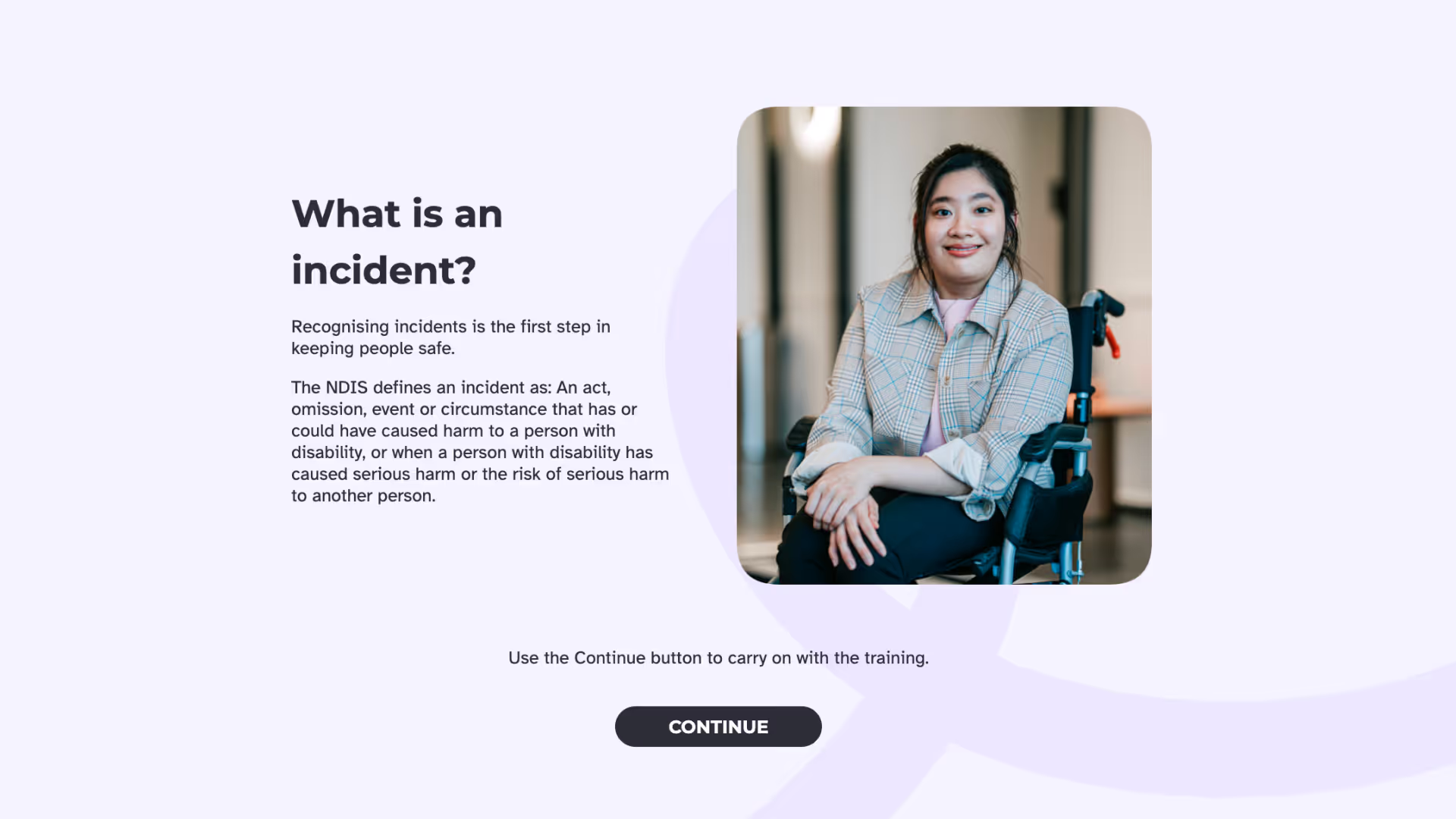
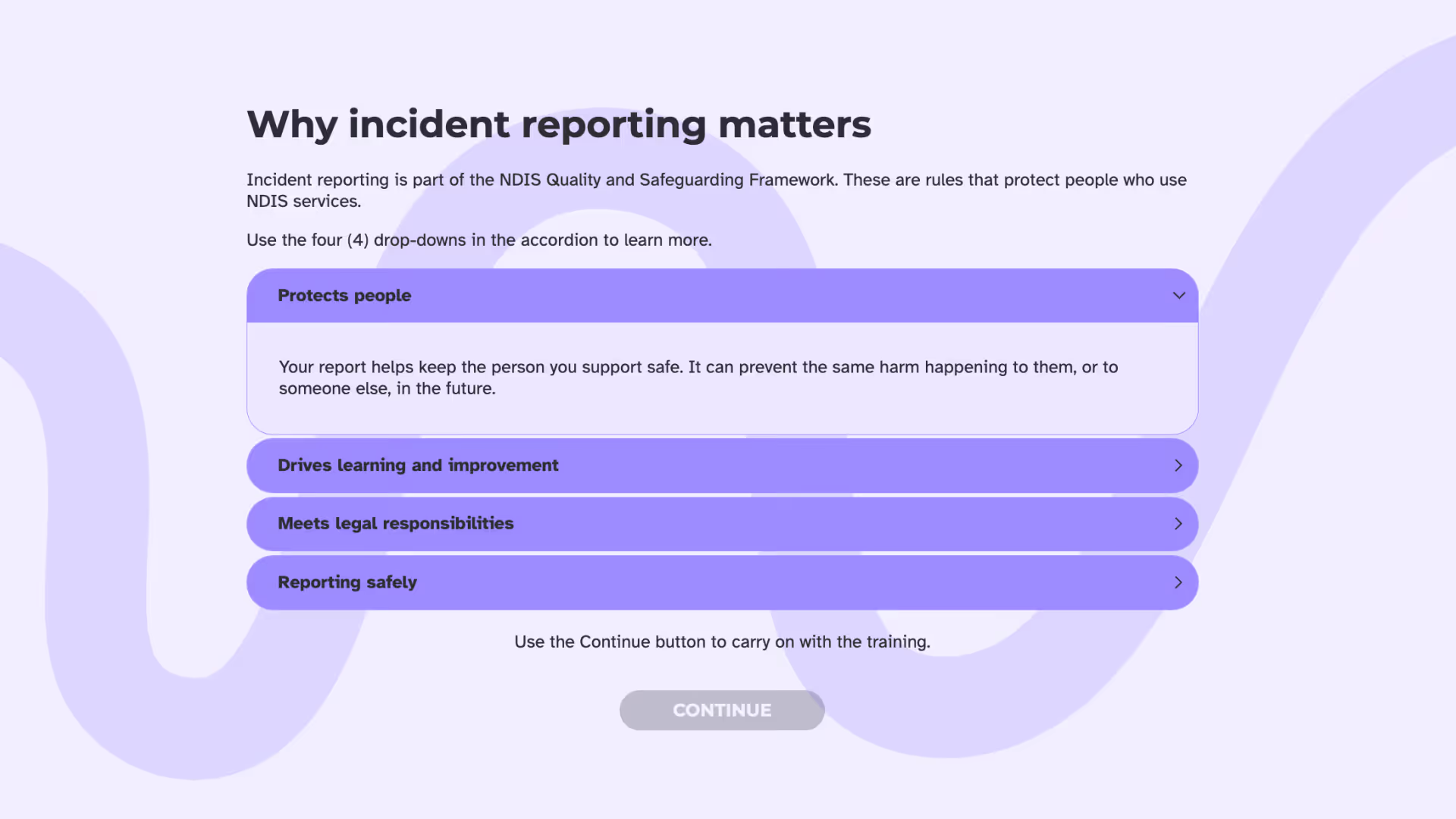
Module 1: Introduction to Incident Reporting: What an incident is, what makes one reportable, and why every report matters.
Module 2: Recognising Reportable Incidents: Each reportable incident category in detail, including death and serious injury, abuse and neglect, sexual misconduct and unlawful contact, and unauthorised restrictive practices.
Module 3: Incident Response and Reporting: Prioritising safety, handling disclosures with a trauma-informed approach, preserving evidence, escalating internally, and writing a clear, factual report that meets NDIS timeframes.
More information about this course
- Recognising incidents and reportable incidents
- The five reportable incident categories
- Immediate response, safety, and handling disclosures
- Preserving evidence and internal escalation
- Writing reports and external notification timeframes
Core Module:
- 2. Provider Governance and Operational Management
Quality Indicators:
- 2.1 Governance and operational management
- 2.2 Risk management
- 2.4 Information management
- 2.6 Incident management
NDIS Workforce Capability Framework
Workforce Objectives:
- 2. Your Impact
- 4. Be Present
- 5. Check In
Core Capabilities:
- 2.2 Work within your capabilities
- 4.2 Manage health and safety
- 5.1 Review quality of support and service
- 5.2 Support me to speak up
- Disability support workers
- Supervisors and managers
- NDIS service providers
- Carers and family carers
- New staff completing onboarding
- Existing staff needing an incident reporting refresher
- Format: Online eLearning, self-paced
- Devices: Desktop, tablet, and mobile
- Assessment: Knowledge checks and practice scenarios
- Certificate: Incident reporting certificate of completion
How long is the course? Around 120 minutes across three modules, fully self-paced.
What are the five reportable incident categories under the NDIS? Death of a person with disability, serious injury, abuse or neglect, sexual misconduct or unlawful contact, and the unauthorised use of restrictive practices. This course covers each one in detail.
Does the course cover trauma-informed disclosure? Yes. Learners practise handling disclosures safely, including how to respond when a person shares something difficult.
Do I get a certificate? Yes. A certificate of completion is issued at the end.
Is this course suitable for NDIS workers? Yes. It is built specifically for disability support workers, NDIS service providers, and carers, and aligns to the NDIS Practice Standards.
Can I complete the course on my phone? Yes. The course works on desktop, tablet, and mobile.
Snapshot
Other courses that might interest you



.avif)

.avif)
.avif)

.avif)
.avif)


.avif)













.avif)
.avif)
.avif)
.avif)

.avif)
.avif)




Start building your community with etrainu
