
Waste Management Training
Online NDIS Training for Disability Support Workers
- Disability Support
Course overview
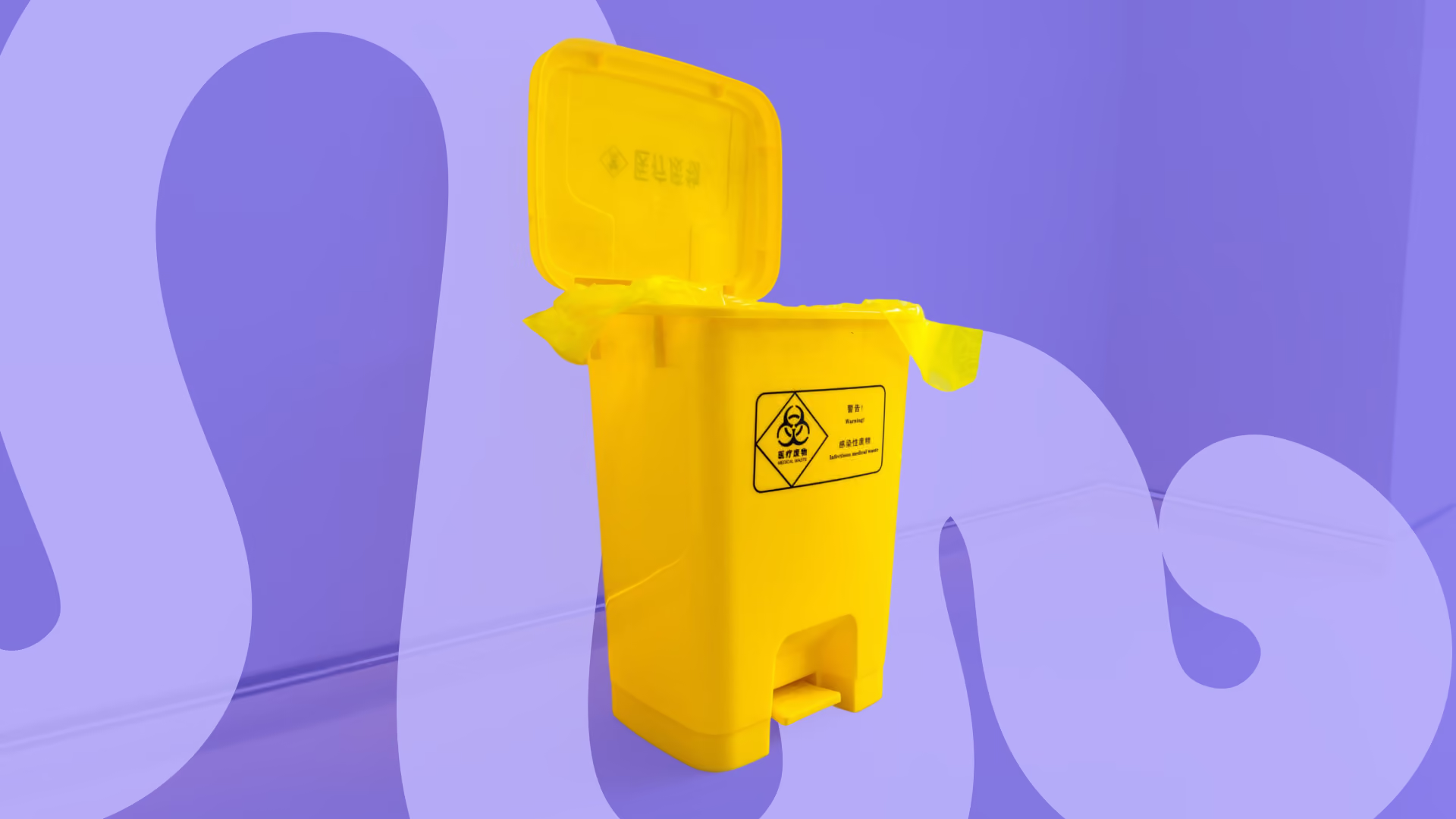
Managing waste well is part of keeping a support environment clean, safe, and free from infection. Support workers handle waste every day, and knowing how to store, handle, and dispose of it protects them, the people they support, and everyone else in the home.
This course explains the main types of waste a support worker may come across, from general and clinical waste to pharmaceutical waste, and how each must be stored and disposed of safely. It covers why waste management policies and procedures matter and what a good policy includes.
Learners also work through incident reporting, waste-related emergencies, and their own duty of care, following a short scenario that shows how a small mistake can be avoided by following the right steps.
What you'll learn
By the end of this course, learners will be able to:
- Identify general, clinical, and pharmaceutical waste
- Store, handle, and dispose of each type of waste safely, using PPE
- Follow a waste management policy and its procedures
- Report waste-related incidents correctly
- Respond to a waste-related emergency and apply their duty of care
Top Courses
in this Library
More information below.

Course structure
A two module course that provides support workers with the skills and knowledge to apply to real situations, with dignity and in line with NDIS Standards.
- Infectious Waste in Support Work
- Medication Storage and Disposal
More information about this course
- Types of waste: general, clinical, and pharmaceutical
- Safe storage, handling, and disposal
- Waste management policies and procedures
- Incident reporting
- Waste-related emergencies and worker responsibilities
NDIS Practice Standards
Core Module:
- Rights and Responsibilities
- Provision of Supports Environment
Quality Indicators:
- 1.3 Privacy and dignity
- 4.1 Safe environment
- 4.5 Management of waste
NDIS Workforce Capability Framework
Workforce Objectives:
- Our Relationship
- Your Impact
- Be Present
Core Capabilities:
- 1.1 Uphold my rights
- 2.3 Look after yourself
- 4.2 Manage health and safety
- Disability support workers
- Service providers
- Carers
- Format: Online eLearning, self-paced
- Devices: Desktop, tablet, and mobile
- Assessment: Knowledge check
- Certificate: Issued on successful completion
What are the main types of waste covered? General waste (food scraps, recyclables, wrappers), clinical waste (sharps, bodily fluids, blood, anything that can cause infection), and pharmaceutical waste (expired or unused medicines, vials, ampoules). Each has its own storage and disposal requirements.
What are a support worker's responsibilities for waste? Show duty of care, follow the organisation's policies and procedures, handle all waste using PPE, and report waste-related incidents to a supervisor. In an emergency, notify people nearby, evacuate participants to safety, and implement the emergency plan.
Who disposes of clinical and pharmaceutical waste? Specialist waste removal services. Clinical waste is stored in sealed, labelled biohazard containers in a locked area, then collected for disinfection and incineration. Pharmaceutical waste goes to specialist services, or can be returned to some pharmacies for proper disposal.
Snapshot
.avif)
.avif)
.avif)
.avif)
Other courses that might interest you



.avif)

.avif)
.avif)

.avif)
.avif)


.avif)











.avif)
.avif)
.avif)
.avif)

.avif)
.avif)



Start building your community with etrainu
