
Abuse Safeguarding
Online NDIS Training for Disability Support Workers
- Disability Support

Course overview
Abuse can be hard to see, especially when it shows up in routines, relationships, or services people trust. This online course helps disability support workers recognise abuse early, respond well when something is wrong, and report through the right channels under the NDIS.
The training runs across three modules covering recognition, response, and reporting. Workers leave with a practical, rights-based approach they can apply on shift.
What you'll learn
By the end of this course you will be able to:
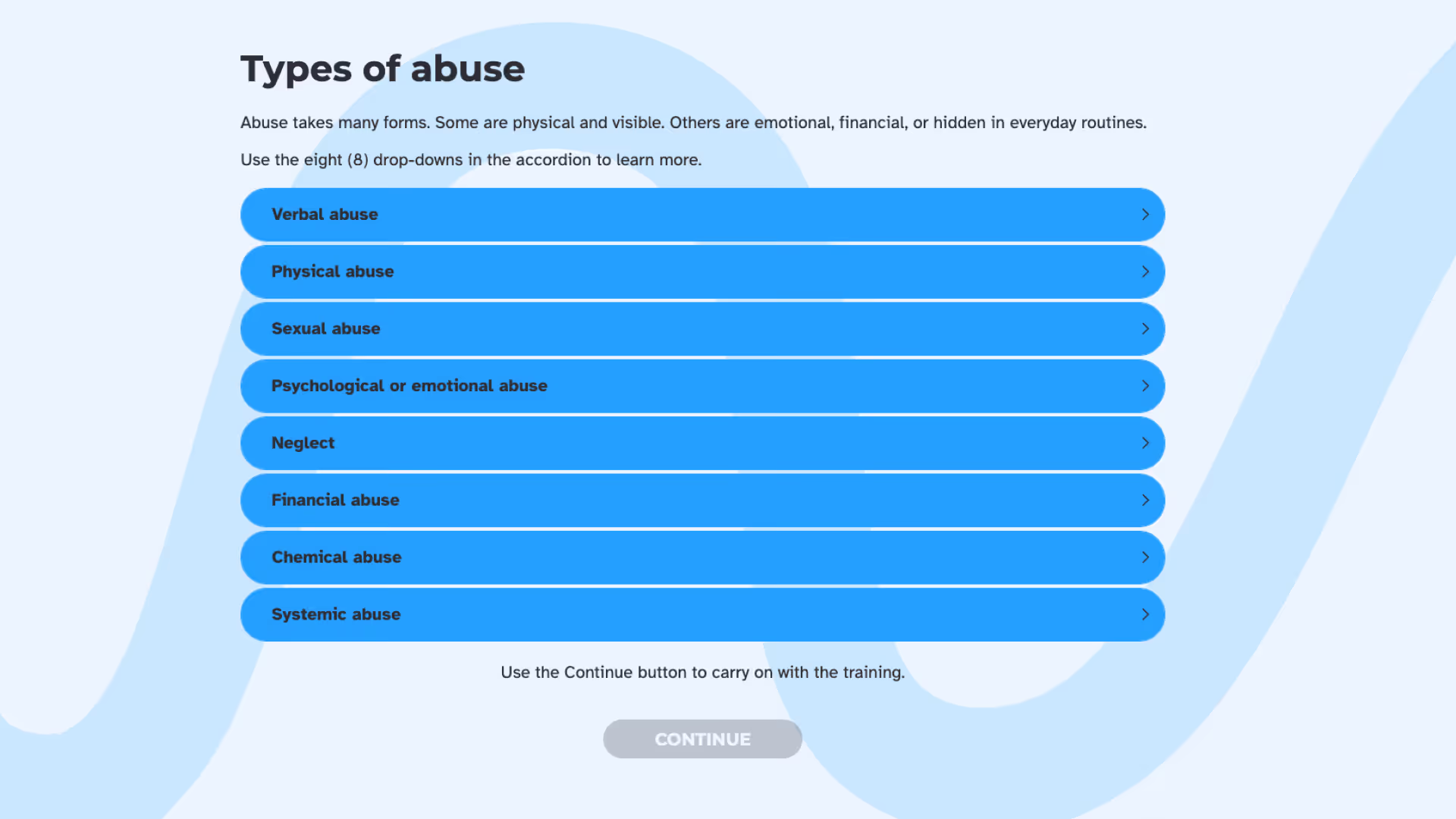
- Recognise the eight types of abuse and their warning signs
- Identify settings where abuse is more likely to occur
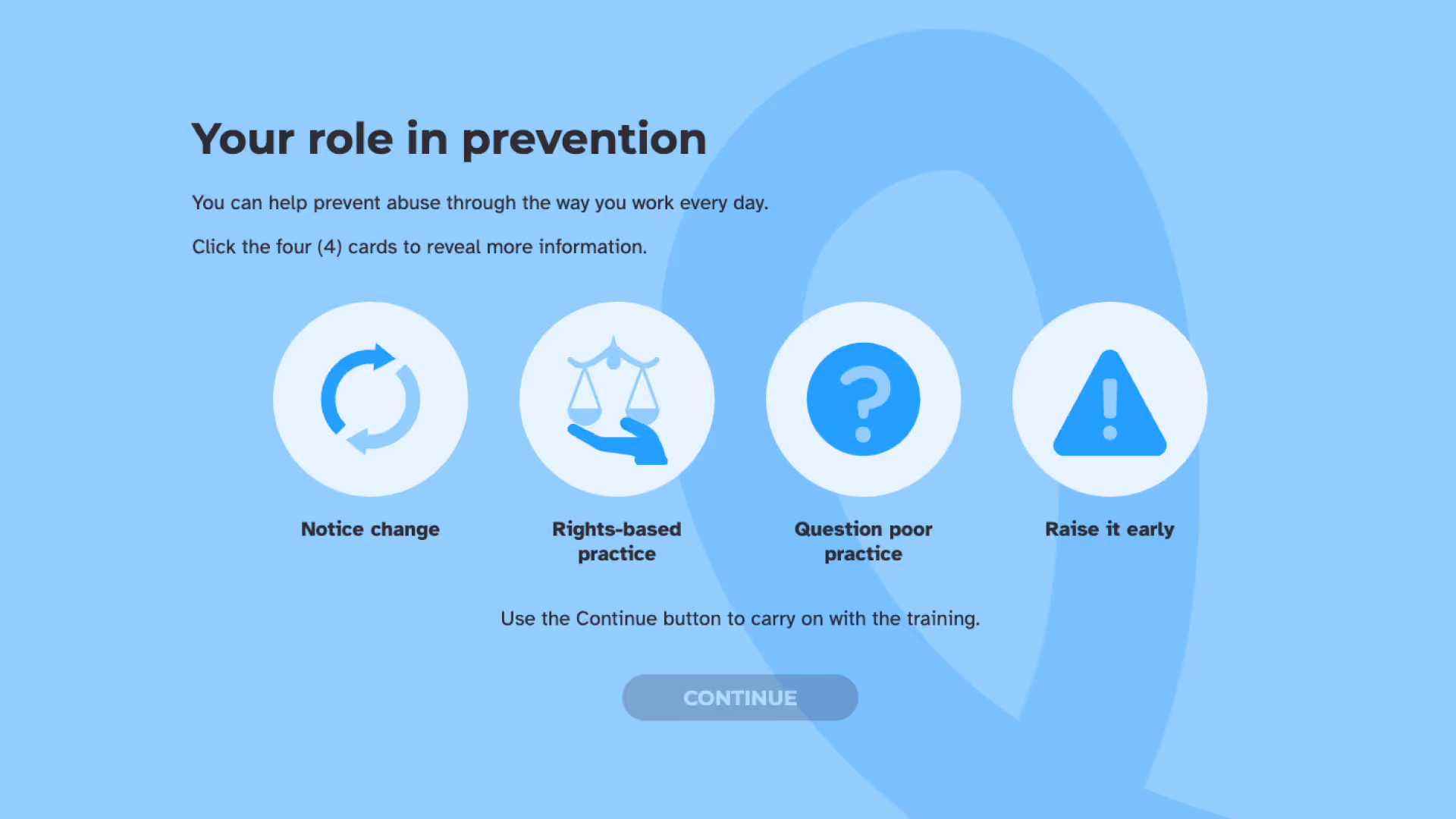
- Apply a rights-based approach in everyday support
- Prioritise immediate safety when something is wrong
- Respond to disclosure using trauma-informed practice, including non-verbal disclosure
- Provide person-centred follow-up support that contributes to safety planning
- Follow internal and external reporting pathways under the NDIS
- Document concerns in the person's own words and protect evidence
- Use records to spot patterns before harm repeats
Top Courses
in this Library
More information below.

Course structure
The course runs across three modules.
Module 1: Recognising Abuse: What abuse is, the eight types and their signs, where abuse is more likely to happen, and how power, control, and rights shape everyday support.
Module 2: Responding to Abuse: Immediate safety, handling disclosure with a trauma-informed approach including non-verbal disclosure, and providing person-centred follow-up support.
Module 3: Reporting Abuse: Reporting responsibilities under the NDIS, what makes an incident reportable, how to document and protect evidence, and how good records help spot patterns and prevent repeat harm.
More information about this course
- Types and signs of abuse, including domestic and family violence
- Power, control, rights, and high-risk settings
- Trauma-informed response to disclosure and follow-up support
- Internal and external reporting under the NDIS
- Documentation, evidence, and preventing repeat harm
NDIS Practice Standards
Core Modules
- Rights and Responsibilities
- Provider Governance and Operational Management
Quality Indicators:
- 1.1 Person-centred supports
- 1.3 Privacy and dignity
- 1.5 Violence, abuse, neglect, exploitation and discrimination
- 2.4 Information management
- 2.6 Incident management
NDIS Workforce Capability Framework
Workforce Objectives:
- Our Relationship
- Your Impact
- Check In
Core Capabilities:
- 1.1 Uphold my rights
- 1.2 Communicate effectively
- 2.1 Show self-awareness
- 2.2 Work within your capabilities
- 5.2 Support me to speak up
- Disability support workers
- Supervisors and managers
- Service providers
- Carers and family carers working with NDIS participants
- Format: Online eLearning, self-paced
- Devices: Desktop, tablet, and mobile
- Assessment: Knowledge check
- Certificate: Issued on successful completion
How long is the abuse safeguarding course? The course takes around 180 minutes across three modules and is fully self-paced.
Do I get a certificate? Yes. A certificate of completion is issued at the end.
What are the eight types of abuse? The course covers the eight recognised types of abuse, including domestic and family violence, and the warning signs of each.
Does the course cover trauma-informed disclosure? Yes. Learners practise handling disclosures using a trauma-informed approach, including non-verbal disclosures.
Is this course suitable for NDIS workers? Yes. It is built specifically for disability support workers, NDIS service providers, and carers, and aligns to the NDIS Practice Standards.
Can I complete the course on my phone? Yes. The course works on desktop, tablet, and mobile.
Snapshot

Other courses that might interest you



.avif)

.avif)
.avif)

.avif)
.avif)


.avif)











.avif)
.avif)
.avif)
.avif)

.avif)
.avif)




Start building your community with etrainu
