
Introduction to Coercive Control
- Disability Support
Course Overview
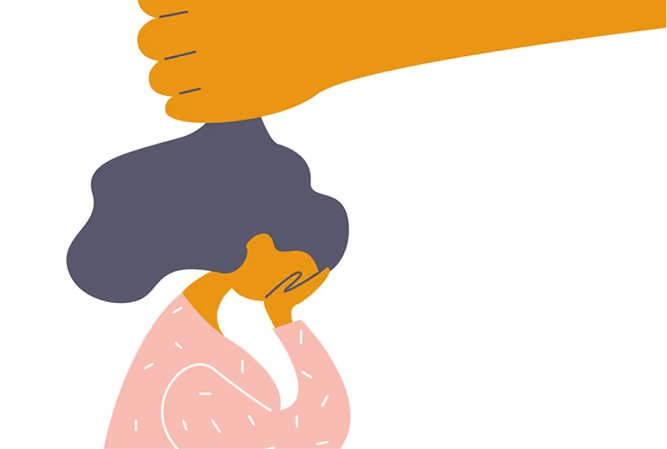
Coercive control is a pattern of abuse where one person uses fear, isolation, threats or manipulation to take away another person's freedom and choices. People with disability can face a higher risk, because the control is often hidden inside relationships they rely on for care and support.
This course helps support workers and carers understand what coercive control looks like, including behaviours that can be mistaken for help. Learners explore the different forms and signs, the impact on a person's safety and wellbeing, and how this abuse shows up in disability settings.
It also covers how coercive control is treated under the law in New South Wales and the reporting responsibilities that apply, so learners can recognise harm earlier and respond with more confidence.
Learning Outcomes
- What coercive control is, and how it differs from care
- Forms and signs of coercive control
- Why disability can increase vulnerability
- Impact of coercive control in disability settings
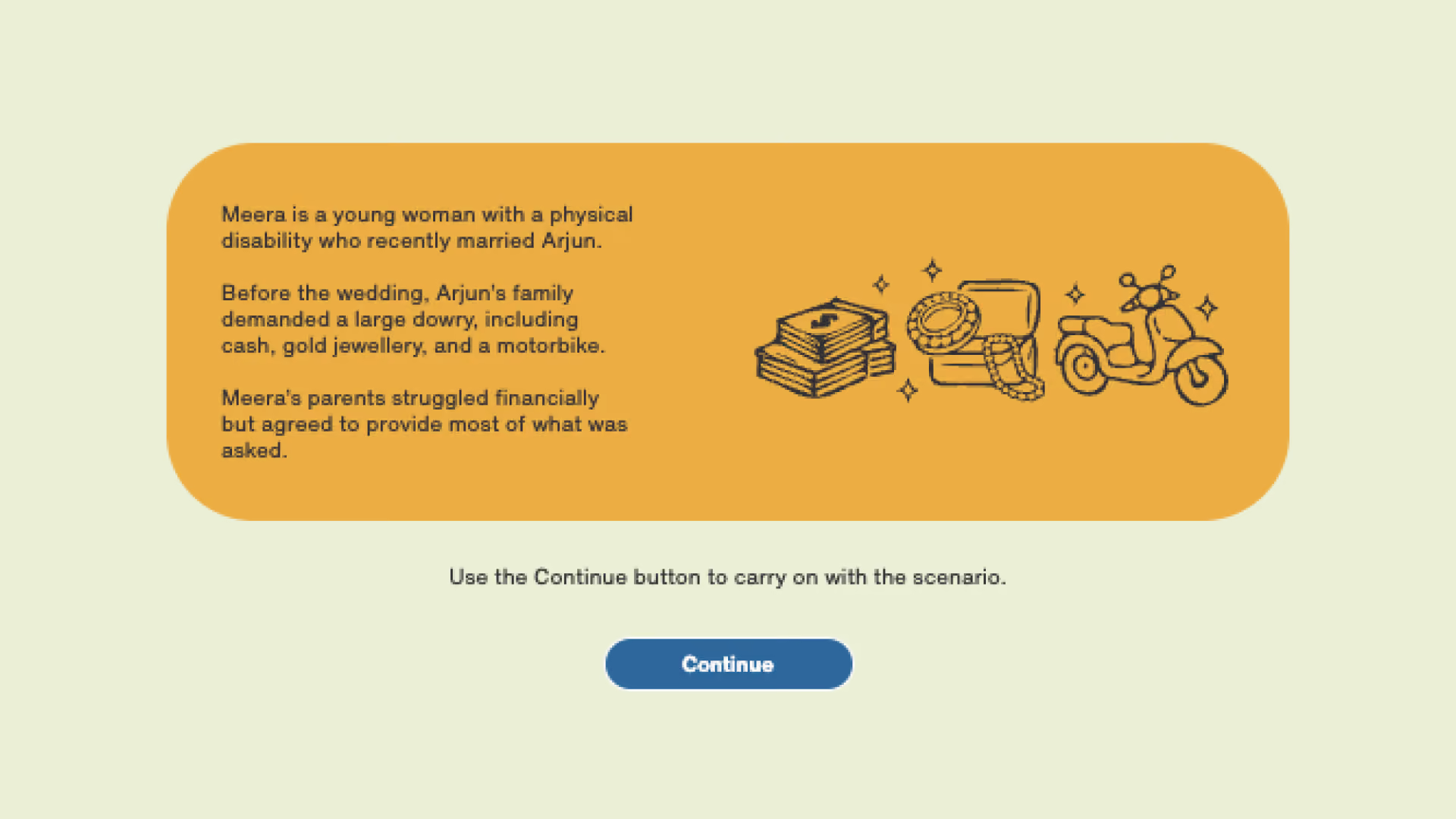
- Dowry abuse as a form of coercive control
- Coercive control and the law in New South Wales
Top Courses
in this Library
More information below.

Course List
- Pre-Learning Survey
- Understanding Coercive Control in Disability Settings
- Responding Safely and Supportively to Coercive Control
- Post-Training Evaluation
Snapshot
Other courses that might interest you



.avif)

.avif)
.avif)


.avif)
.avif)


.avif)












.avif)
.avif)
.avif)
.avif)

.avif)
.avif)




Start building your community with etrainu
