
Supporting Human Rights
Online NDIS Training for Disability Support Workers
- Disability Support

Course overview
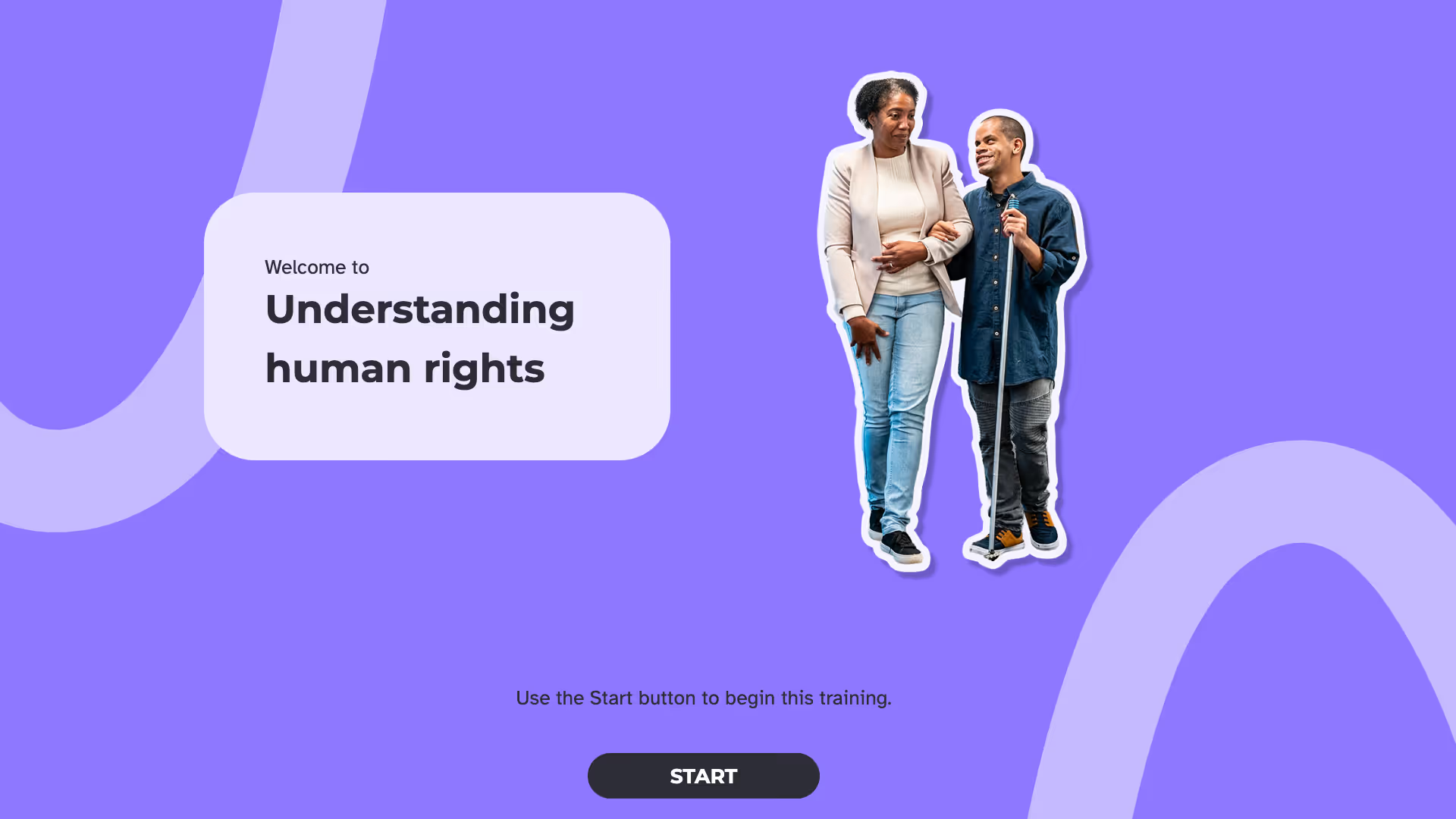
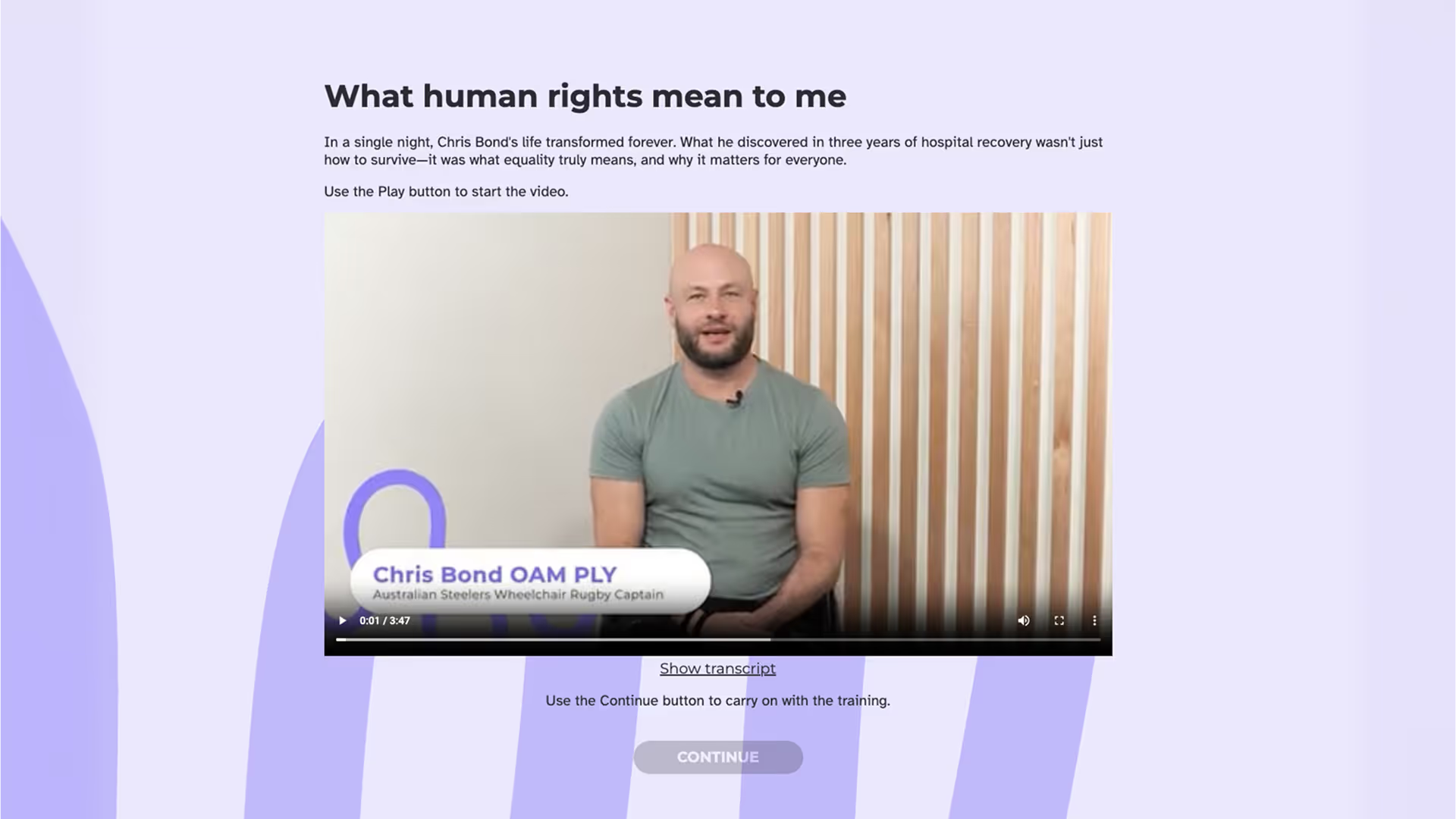
Human rights show up in everyday moments. Whether a person is asked or decided for, included or talked over, supported to do something or had it done for them. This online course builds the skills disability support workers need to recognise rights in practice, uphold them every shift, and respond when rights are not being respected.
What you'll learn
By the end of this course you will be able to:
- Explain what human rights are and the three focus areas under the CRPD
- Identify the Australian laws and standards that protect people with disability
- Apply the eight NDIS Code of Conduct duties to everyday support
- Use a Notice, Think, Act, Report, Follow up approach when rights conflict
- Recognise the three categories of rights violations
- Report rights violations through the right channels
- Support a person to access complaint pathways
- Understand the six types of advocacy
- Support a person to seek help without taking over
Top Courses
in this Library
More information below.

Course structure
The course runs across four modules.
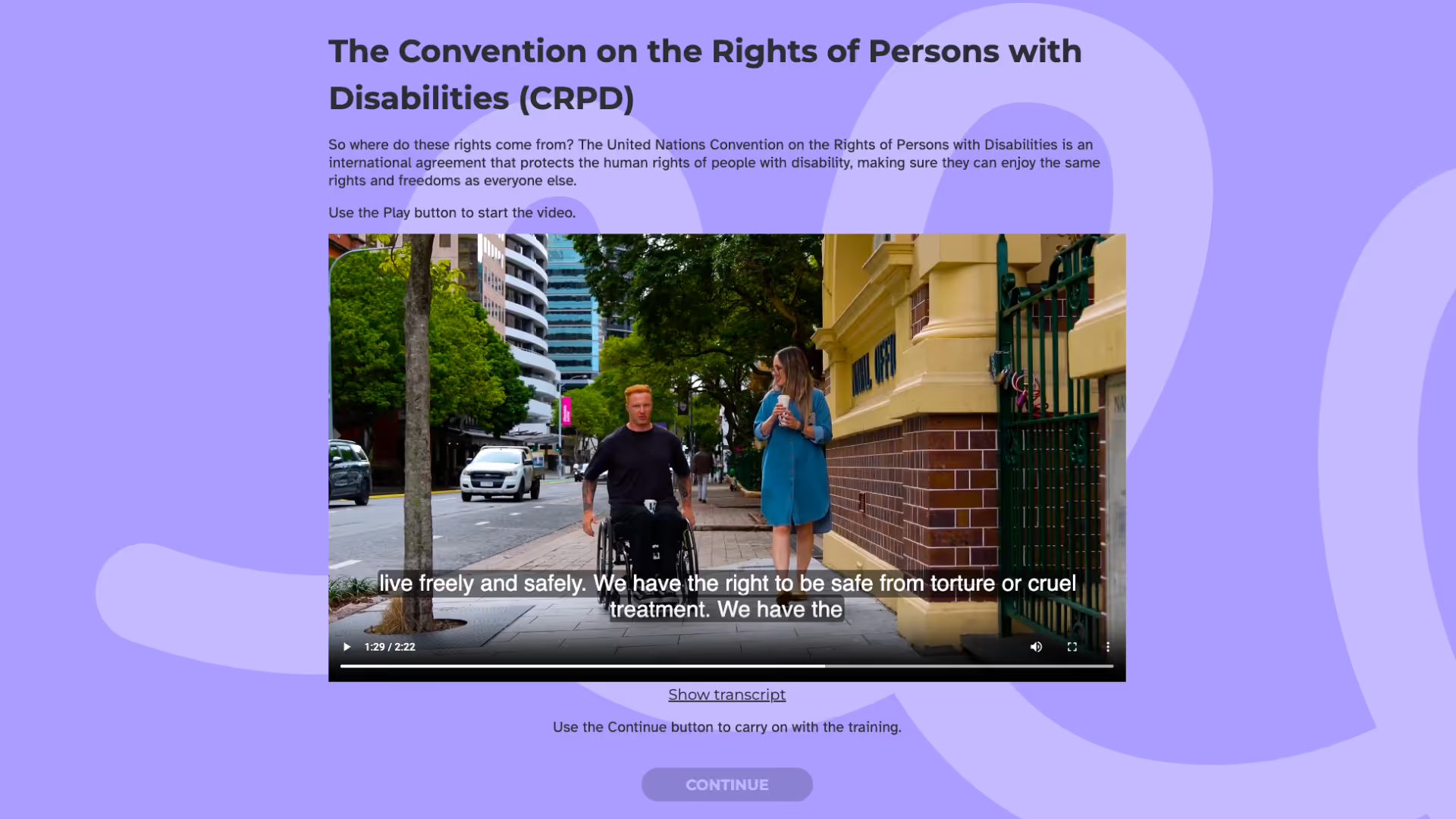
Module 1: Understanding Human Rights: What human rights are, the three focus areas under the CRPD (respect for the person, inclusion in the community, change in society), and the Australian laws and standards that protect people with disability.
Module 2: Respecting Rights: Rights and responsibilities in the support relationship, the eight NDIS Code of Conduct duties, and a Notice, Think, Act, Report, Follow up approach for when rights conflict.
Module 3: When Rights Are Ignored: The three categories of rights violations (restrictive practices, abuse and neglect and exploitation, and everyday violations), the signs to look for, and how to report.
Module 4: Raising Concerns: The complaint pathways available, the six types of advocacy, and how to support a person to seek help without taking over.
More information about this course
- Human rights, the CRPD, and Australian legislation
- Rights and responsibilities and the NDIS Code of Conduct
- Recognising and responding to rights violations
- Complaint pathways and reporting
- Advocacy and supporting people to speak up
NDIS Practice Standards
Core Module:
- Rights and Responsibilities
Quality Indicators:
- 1.1 Person-centred supports
- 1.2 Individual values and beliefs
- 1.3 Privacy and dignity
- 1.4 Independence and informed choice
- 1.5 Violence, abuse, neglect, exploitation and discrimination
NDIS Workforce Capability Framework
Workforce Objectives:
- Our Relationship
- Your Impact
- Check In
Core Capabilities:
- 1.1 Uphold my rights
- 1.2 Communicate effectively
- 2.1 Show self-awareness
- 2.2 Work within your capabilities
- 5.2 Support me to speak up
- Disability support workers
- Supervisors and managers
- Service providers
- Carers and family carers working with NDIS participants
- New staff completing onboarding
- Existing staff needing a human rights refresher
- Format: Online eLearning, self-paced
- Devices: Desktop, tablet, and mobile
- Assessment: Knowledge check
- Certificate: Issued on successful completion
How long is the human rights course? Around 180 minutes across four modules, fully self-paced.
Do I get a certificate? Yes. A certificate of completion is issued at the end.
What are the three categories of rights violations? Restrictive practices, abuse and neglect and exploitation, and everyday violations. The course covers the signs to look for in each.
Is this course suitable for NDIS workers? Yes. It is built specifically for disability support workers, NDIS service providers, and carers, and aligns to the NDIS Practice Standards.
Can I complete the course on my phone? Yes. The course works on desktop, tablet, and mobile.
Snapshot
Other courses that might interest you



.avif)

.avif)
.avif)


.avif)
.avif)


.avif)











.avif)
.avif)
.avif)
.avif)

.avif)
.avif)




Start building your community with etrainu
