
Positive Behaviour Support Package
Online NDIS Training for Disability Support Workers
- Disability Support

Course Overview
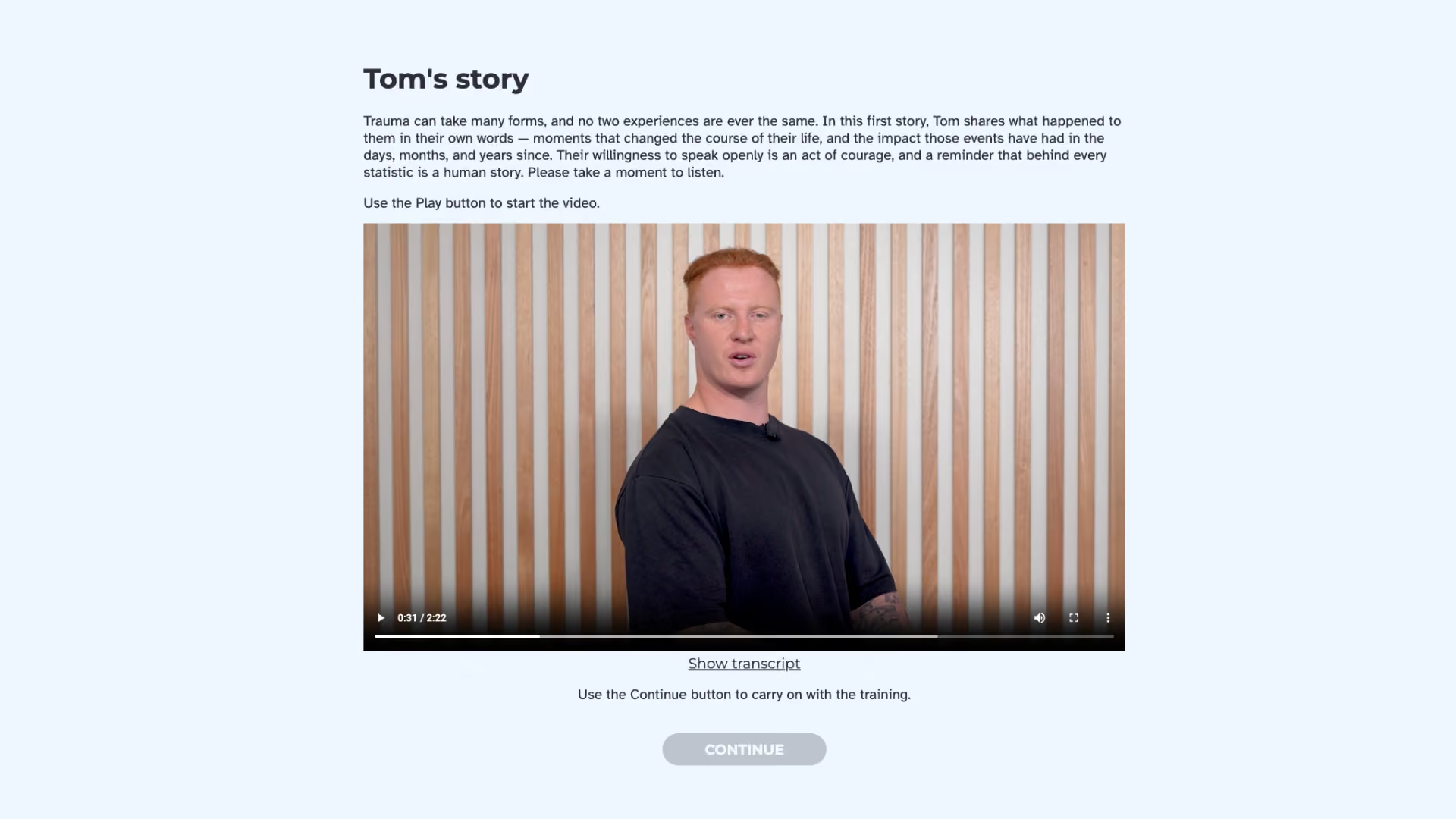
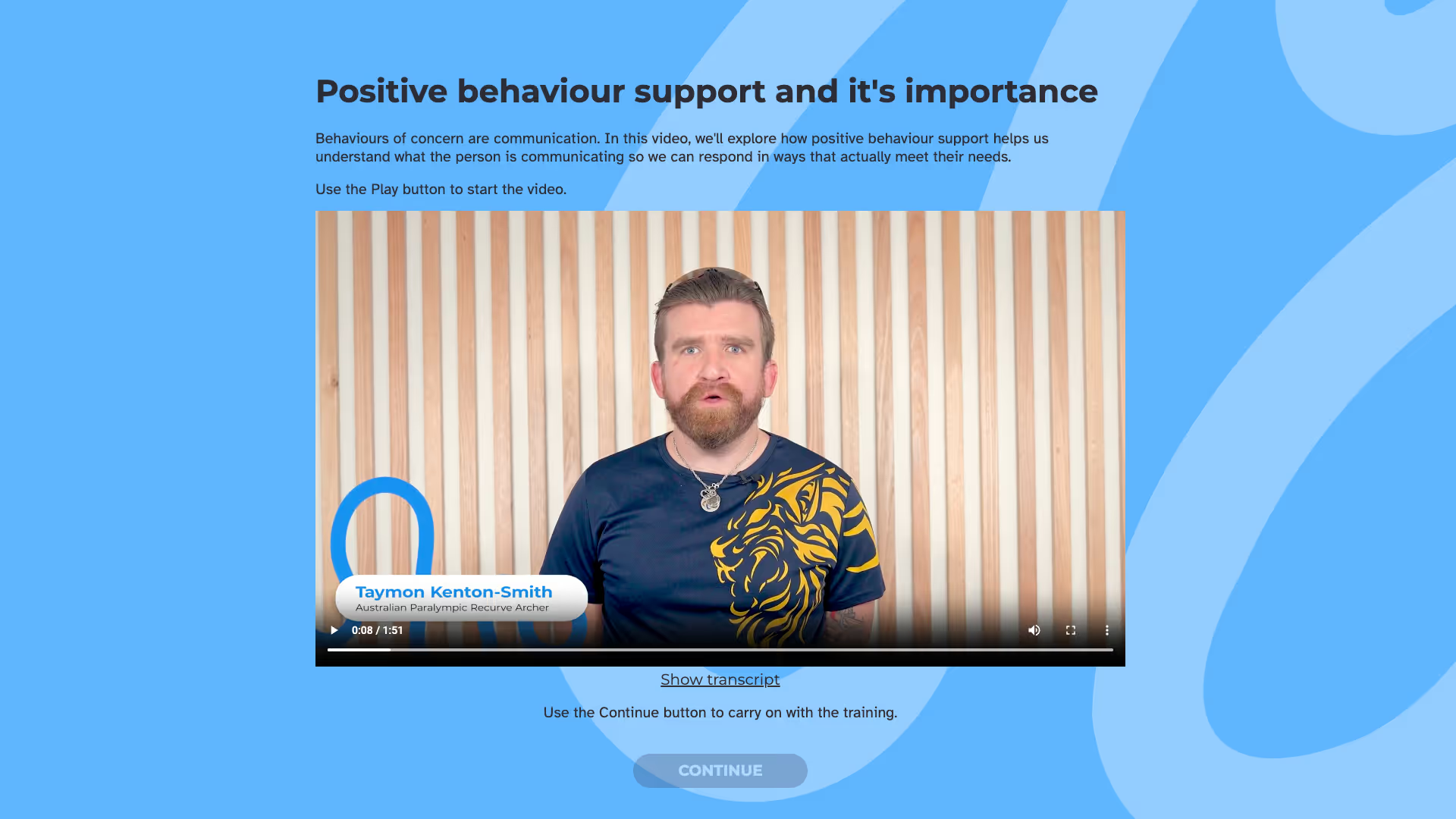
Behaviour is communication. When a person's behaviour shifts, something in their day, their environment or their past is usually driving it, and the worker in the room is the one who has to read it and respond well.
This package brings together three courses that build that skill from three directions.
Positive Behaviour Support in Practice covers the model itself: behaviour as communication, quality of life, and the regulated restrictive practices workers need to recognise.
Supporting Human Rights covers what sits underneath every support decision, including what to do when rights conflict and how to raise concerns.
Trauma-Informed Support covers why a person may respond the way they do, and how to stay calm, build trust and look after your own wellbeing while you do it.
Across twelve modules, learners work through videos, real support scenarios, reflection prompts and knowledge checks. The package maps to NDIS Core Modules 1, 2, 3 and 4 and to the NDIS Workforce Capability Framework.
Learning Outcomes
- Recognise behaviour as communication and use the E.A.T.S. model to identify unmet needs
- Follow a Behaviour Support Plan and support the eight domains of quality of life
- Identify the five regulated restrictive practices and raise concerns when they are used without authorisation
- Explain human rights under the CRPD, apply the eight elements of the NDIS Code of Conduct, and work through situations where rights conflict
- Recognise trauma responses such as fight, flight, freeze and fawn, and respond in ways that keep people safe and build trust
- Report rights violations and incidents through the right channels, support a person to access advocacy, and manage vicarious trauma
Top Courses
in this Library
More information below.

Course List
- Positive Behaviour Support in Practice
- Understanding Behaviour
- Quality of Life
- Values and Rights
- How People Communicate
- Sensory Needs
- Supporting Human Rights
- Understanding Human Rights
- Respecting Rights
- When Rights Are Ignored
- Raising Concerns
- Trauma-Informed Support
- Understanding Trauma
- Responding to Trauma
- Vicarious Trauma Awareness and Self-Care
Course Topics
A practical grounding in Positive Behaviour Support under the NDIS. Five modules cover behaviour as communication, the eight domains of quality of life, the values and principles behind PBS, the five regulated restrictive practices, and how people communicate and experience sensory input.
Learning Outcomes
- Recognise behaviour as communication and use the E.A.T.S. model to identify unmet needs
- Understand the support worker's role in a Behaviour Support Plan and the eight domains of quality of life
- Identify the five regulated restrictive practices and support a person's preferred communication method and sensory needs
Duration: 125 minutes
Human rights show up in everyday moments: whether a person is asked or decided for, included or talked over, supported or had it done for them. Four modules cover what human rights are and the laws that protect them, the eight duties in the NDIS Code of Conduct, the three categories of rights violations and the signs to look for, and the complaint and advocacy pathways open to a person who wants to raise a concern.
Learning Outcomes
- Explain human rights, the three CRPD focus areas and the Australian laws that protect people with disability
- Apply the NDIS Code of Conduct to everyday support and work through situations where rights conflict
- Recognise the three categories of rights violations, report them through the right channels, and support a person to access advocacy
Duration: 180 minutes
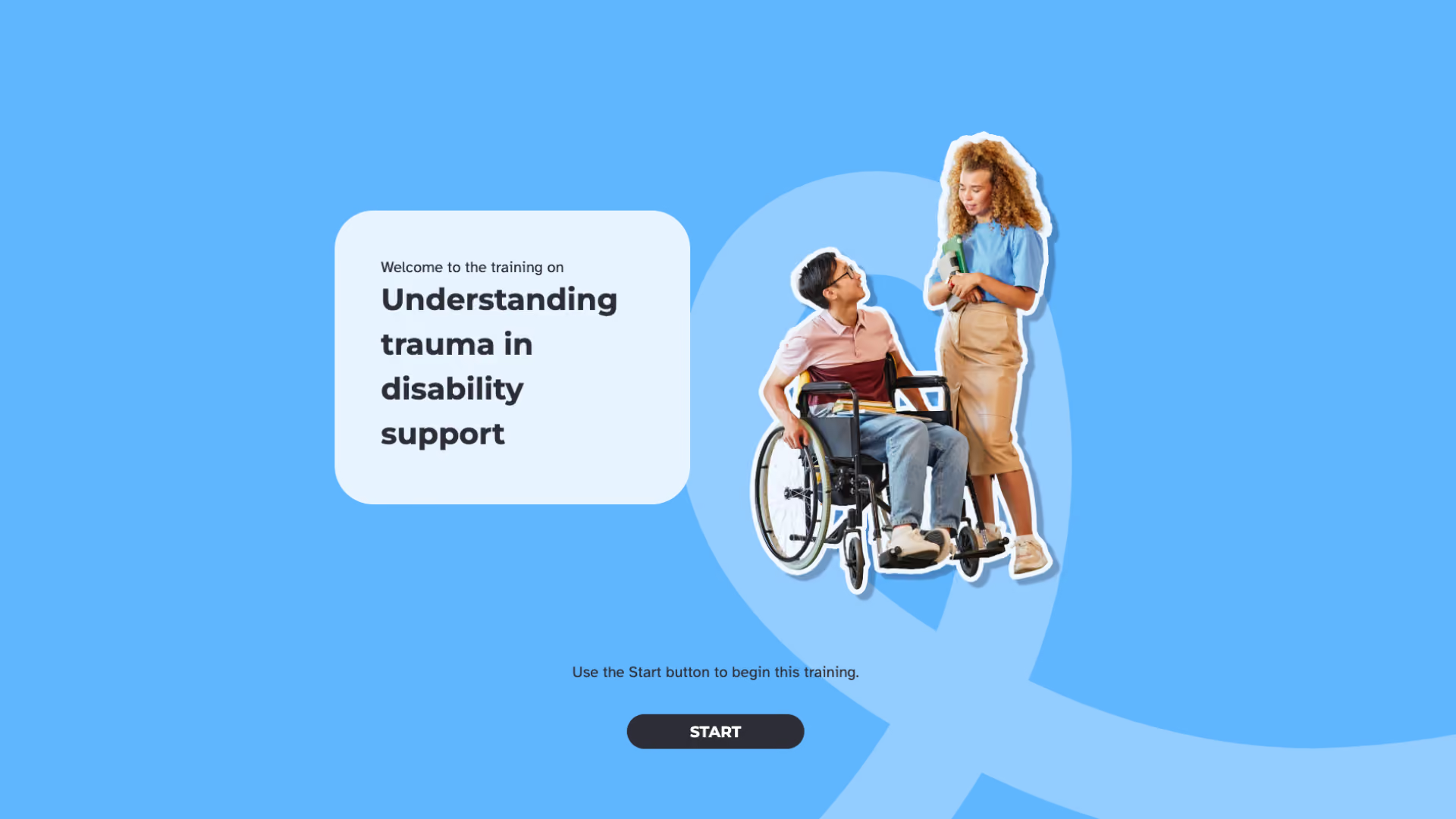
Trauma is common among people with disability, and it often shapes how a person feels, acts and responds to support. Three modules cover what trauma is and why people with disability are more likely to have experienced it, how to recognise trauma responses and read behaviour as communication, and how to stay calm, communicate in ways that build trust, and know when to escalate. A final module looks at vicarious trauma and the effect this work has on workers.
Learning Outcomes
- Recognise trauma, its common causes, and responses such as fight, flight, freeze and fawn
- Respond to distress in ways that keep people safe, avoid re-traumatisation and build trust
- Know when to escalate and report, and manage personal wellbeing to reduce the risk of vicarious trauma
Duration: 95 minutes
Snapshot
.avif)
Other courses that might interest you


.avif)

.avif)
.avif)


.avif)
.avif)


.avif)










.avif)
.avif)
.avif)
.avif)

.avif)
.avif)




Start building your community with etrainu
