
Digital Safety and Security Awareness Training
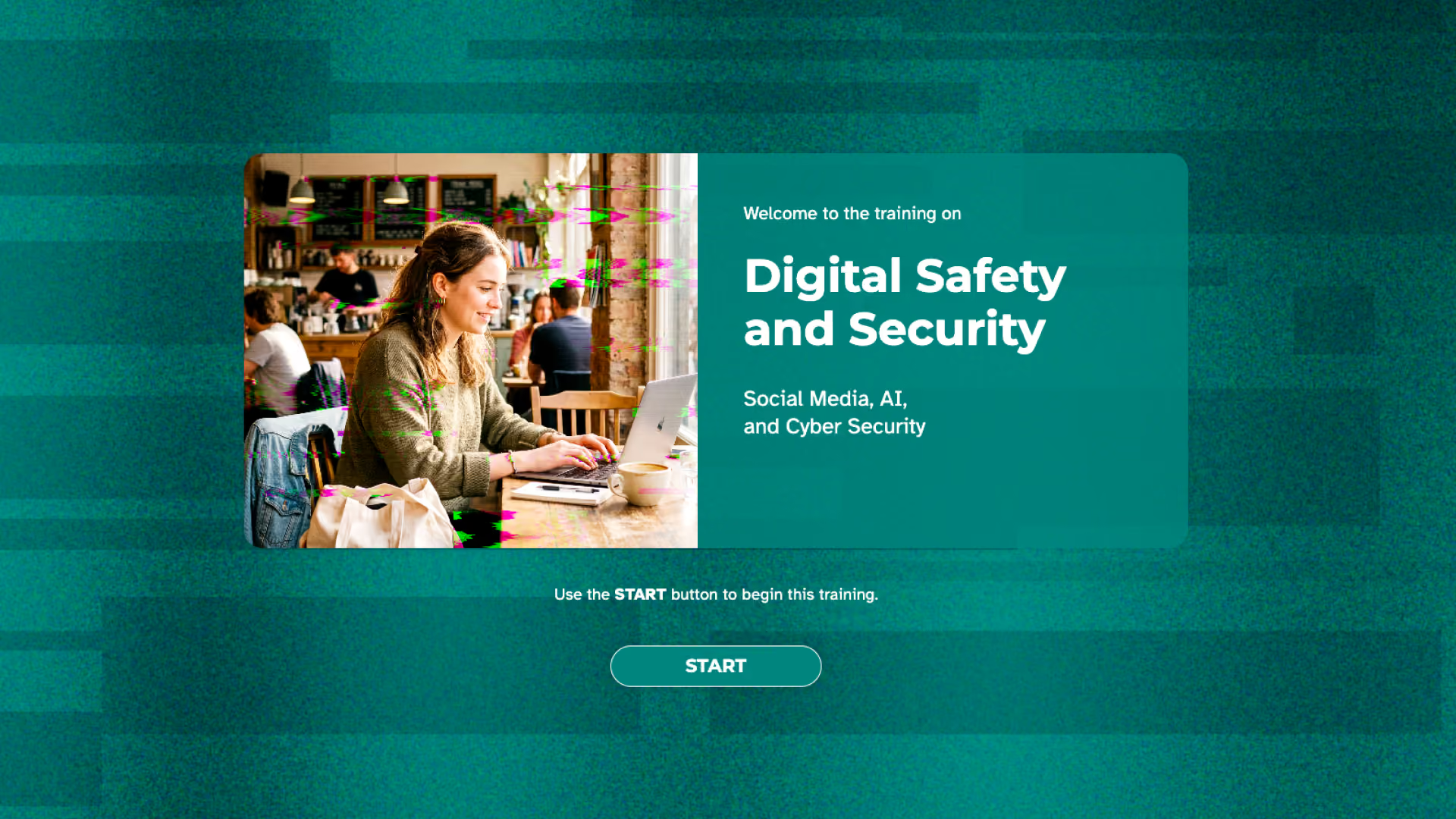
Social Media, AI, and Cyber Security
- Corporate
What you'll learn
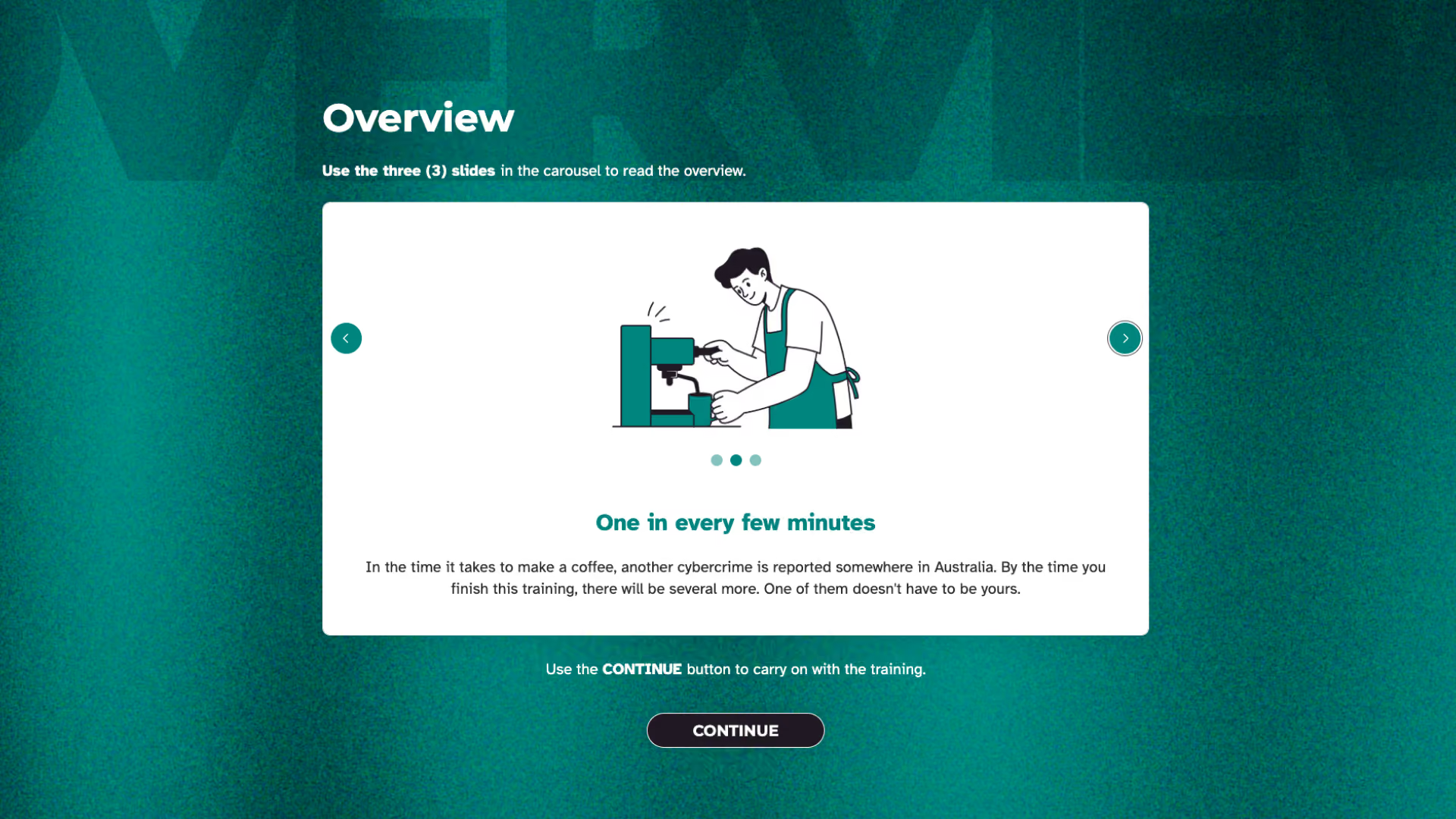
Australians lose more than $2 billion a year to scams, and almost every one of those losses starts with a single person caught off guard. The Digital Safety and Security course is a one hour cyber security awareness course for people who are not IT specialists.
Digital Safety and Security explains each threat in plain terms and shows you what to do about it. You will learn to recognise an attack while it is happening, respond without making the situation worse, and report it through the right channel at work and personally. The course covers newer ground as well, including voice cloning, AI-driven scams, and how to use AI tools safely and responsibly in your own job.
Learning outcomes
By the end of the Digital Safety and Security course, you will understand:
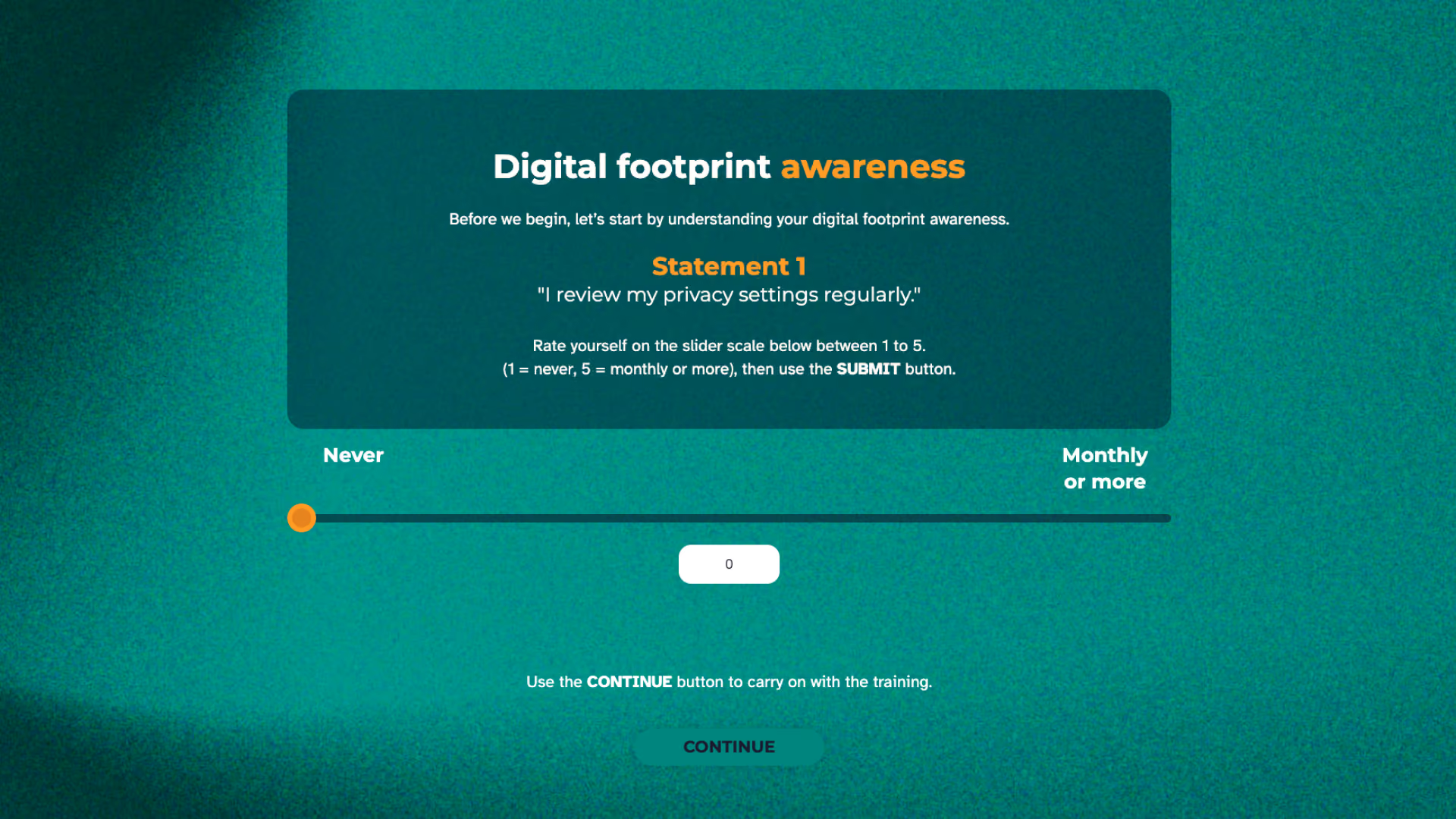
- What a digital footprint is and why what you post online is permanent
- How to create strong passphrases and turn on two-factor authentication
- The main cyberattacks: phishing, fake websites, malware, ransomware and identity theft
- How to handle information safely on public Wi-Fi, personal devices and payments
- How to spot social engineering that exploits trust, authority and urgency
- How deepfakes and AI-driven threats work, and how to use AI tools safely and responsibly at work, including checking anything AI writes
- How to report internet and social media threats through the right channels, at work and personally
- Your privacy and reporting obligations under Australian law and workplace policies
Top Courses
in this Library
More information below.

Course structure
Digital Safety and Security: Social Media, AI, and Cyber Security is a single eLearning module that takes approximately one hour to complete. You can pause the Digital Safety and Security course and return to it at any point.
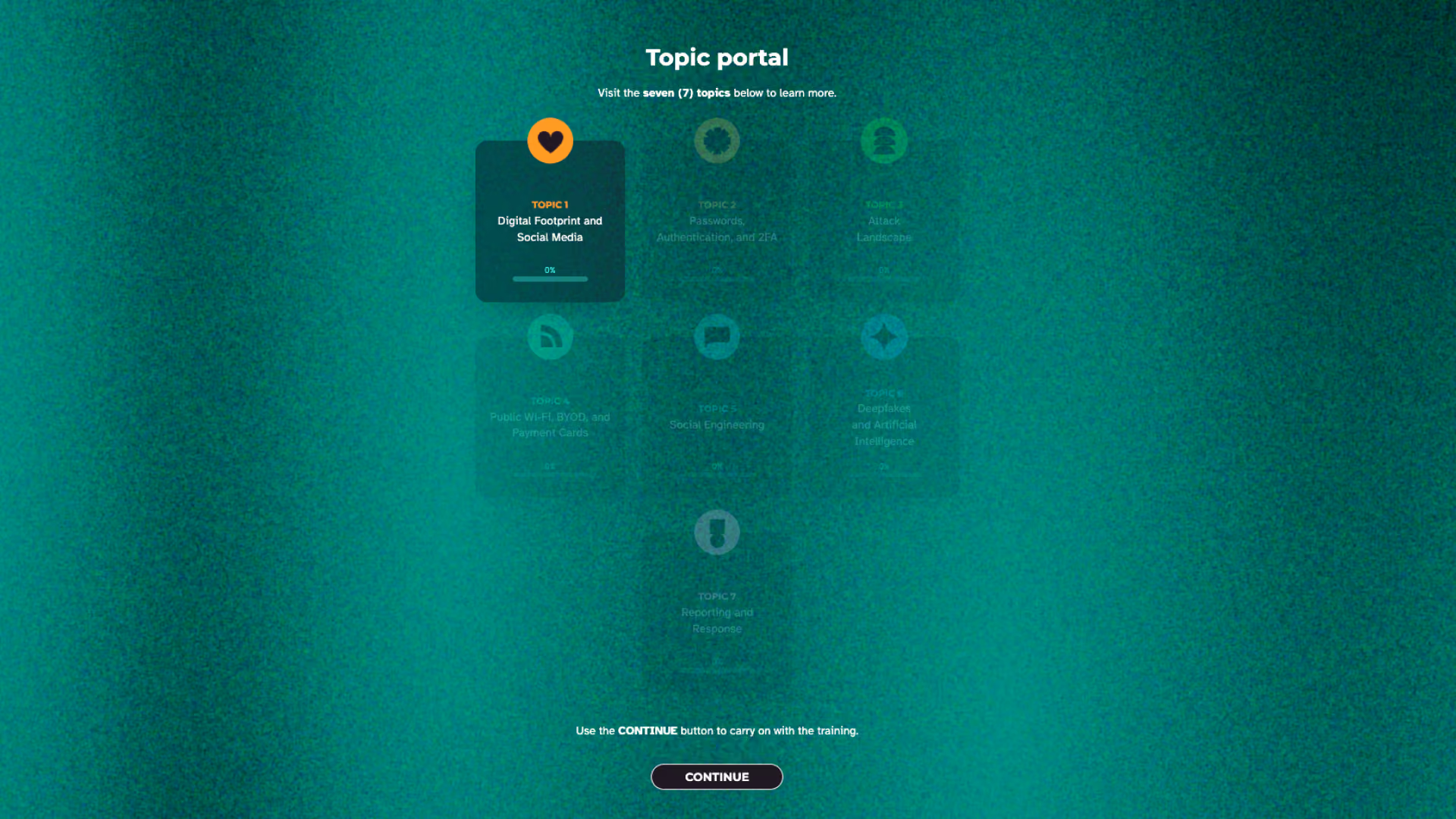
The Digital Safety and Security course covers seven areas:
Digital footprints. What a digital footprint is, how it builds up across social media and everyday online activity, and why what you post online is permanent.
Passwords and two-factor authentication. Creating strong passphrases and turning on two-factor authentication, the step that stops most attacks before they start.
Phishing, malware and identity theft. The main cyberattacks in plain terms: phishing, fake and spoofed websites, malware, ransomware and identity theft.
Public Wi-Fi, personal devices and payments. Handling information safely on public Wi-Fi, on personal devices used for work, and when using payment cards.
Social engineering. How attackers exploit trust, authority and urgency to get people to act against their own interests, and what those attempts look like in practice.
Deepfakes and AI. Deepfakes, voice cloning and AI-driven scams, plus how to use AI tools safely and responsibly at work, including checking anything AI writes before you rely on it.
Reporting. Who to tell, how to preserve evidence, and how to report internet and social media threats through the right channels at work and personally.
Digital Safety and Security is written for Australian workplaces and covers the reporting and privacy obligations that apply to staff across every sector.
Privacy Act 1988. The course covers your obligations when handling personal information, and what those obligations mean for the way you store, share and protect data in your day to day work.
Online Safety Act 2021. The course covers reporting internet and social media threats, including who to tell and how to preserve evidence so a report can actually be acted on.
Workplace policies. Legislation sets the floor. The Digital Safety and Security course also covers how your own organisation's policies sit alongside it, and how to work out which channel a given incident should go through.
Because Digital Safety and Security is written for all sectors, it pairs with whichever compliance training your organisation already runs rather than duplicating it.
The course suits:
- Frontline and support workers who handle client or customer information
- Administration, reception and office staff
- Managers and team leaders responsible for how their teams handle data
- Volunteers and casual staff who need cyber security awareness training before they start
- Anyone using AI tools at work who needs to understand the risks that come with them
- Organisations in any sector rolling out cyber security awareness training across a whole workforce
The Digital Safety and Security course is designed for all sectors, so it works as a baseline cyber security awareness course for a mixed workforce rather than a role-specific one.
The Digital Safety and Security course is:
- One eLearning module, approximately one hour to complete
- Self-paced, so you can pause the Digital Safety and Security course and return to it at any point
- Available on mobile, tablet and desktop
- Written for all sectors, with no technical background assumed
- Developed and delivered by etrainu
What is phishing? Phishing is an attack where someone sends a message that appears to come from a person or organisation you trust, in order to get you to hand over information or click something harmful. It usually arrives by email, text or direct message and points to a fake website built to look like the real one. The Digital Safety and Security course covers phishing alongside fake websites, malware, ransomware and identity theft.
What is social engineering? Social engineering is manipulating a person rather than attacking a system. The attacker exploits trust, authority or urgency to get someone to hand over access or information they would not normally give up, for example by posing as a manager who needs something done immediately. Digital Safety and Security covers how to recognise those tactics and what to do when you encounter one.
What is a deepfake, and how is it used in scams? A deepfake is synthetic audio or video generated to imitate a real person. Voice cloning is the audio version of the same technique. Both are now used to make scams more convincing, because a request that appears to come from a familiar voice or face is harder to question. The Digital Safety and Security course covers deepfakes, voice cloning and AI-driven scams, along with how to use AI tools safely and responsibly at work.
Is the Digital Safety and Security course suitable for staff who are not technical? Yes. Digital Safety and Security is written for people who use a computer or phone for work but have no IT background. Every threat is explained in plain terms, and the focus is on what to do rather than how the technology works underneath.
Can I complete the course on my phone or tablet? Yes. Digital Safety and Security works on mobile, tablet and desktop, so you can complete it on whichever device suits you.
Does the course cover Australian law? Yes. Digital Safety and Security covers your privacy and reporting obligations under Australian law and workplace policies, including the Privacy Act 1988 and the Online Safety Act 2021.
Snapshot
Other courses that might interest you










































Start building your community with etrainu
